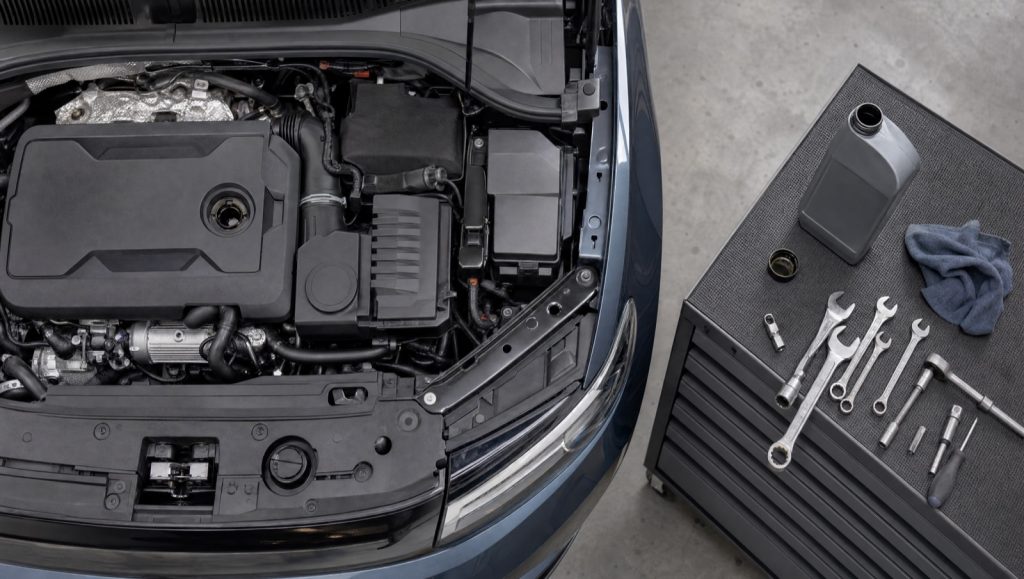
Two Audi owners call in the same week. One is at 60,000 km, the other at 90,000. Both ask what the service costs, and both are surprised when the numbers are not close. The reason is simple: those are not the same job. The 90,000 km visit carries items that only come due once, and skipping them is how an engine that would have run for 300,000 km stops being reliable at 150,000.
Here is what actually separates the two intervals on the Audis we see most in Artarmon, and where the money goes.
First, your car decides, not the odometer
Audi runs either fixed or flexible servicing. Fixed means every 12 months or 15,000 km, whichever comes first. Flexible, or LongLife, lets the car decide using oil quality sensors and driving data, and can stretch to 24 months or 30,000 km on paper.
Our position, said before you book: if your Audi lives in Sydney traffic, service it on the fixed interval even if the car is set to flexible. LongLife was designed around long, steady driving at consistent temperature. A car crawling between Chatswood and the city, doing short trips that never bring the engine to full operating temperature, is working the oil far harder than the counter assumes. The difference in cost over three years is small. The difference in what a turbo bearing costs is not.
What the 60,000 km service includes
At this interval the car is still in its routine, but two items usually come due alongside the oil service.
- Engine oil and filter, to the correct VW/Audi approval for your engine, with a new sump plug washer and the filter element and o-rings replaced rather than reused.
- Spark plugs on most petrol engines. On the 2.0 TFSI this is a straightforward job; on the V6 it takes longer, and the difference shows in the quote.
- Air and cabin filters, checked and replaced on condition, which in Sydney usually means the cabin filter is worse than the owner expects.
- Brake fluid, if it has been two years. Fluid goes by time, not distance, because it absorbs moisture from the air and that is what drops its boiling point.
- Full fault memory scan across every module, plus the service interval reset done properly through the diagnostic system.
What gets added at 90,000 km
This is where the two visits separate.
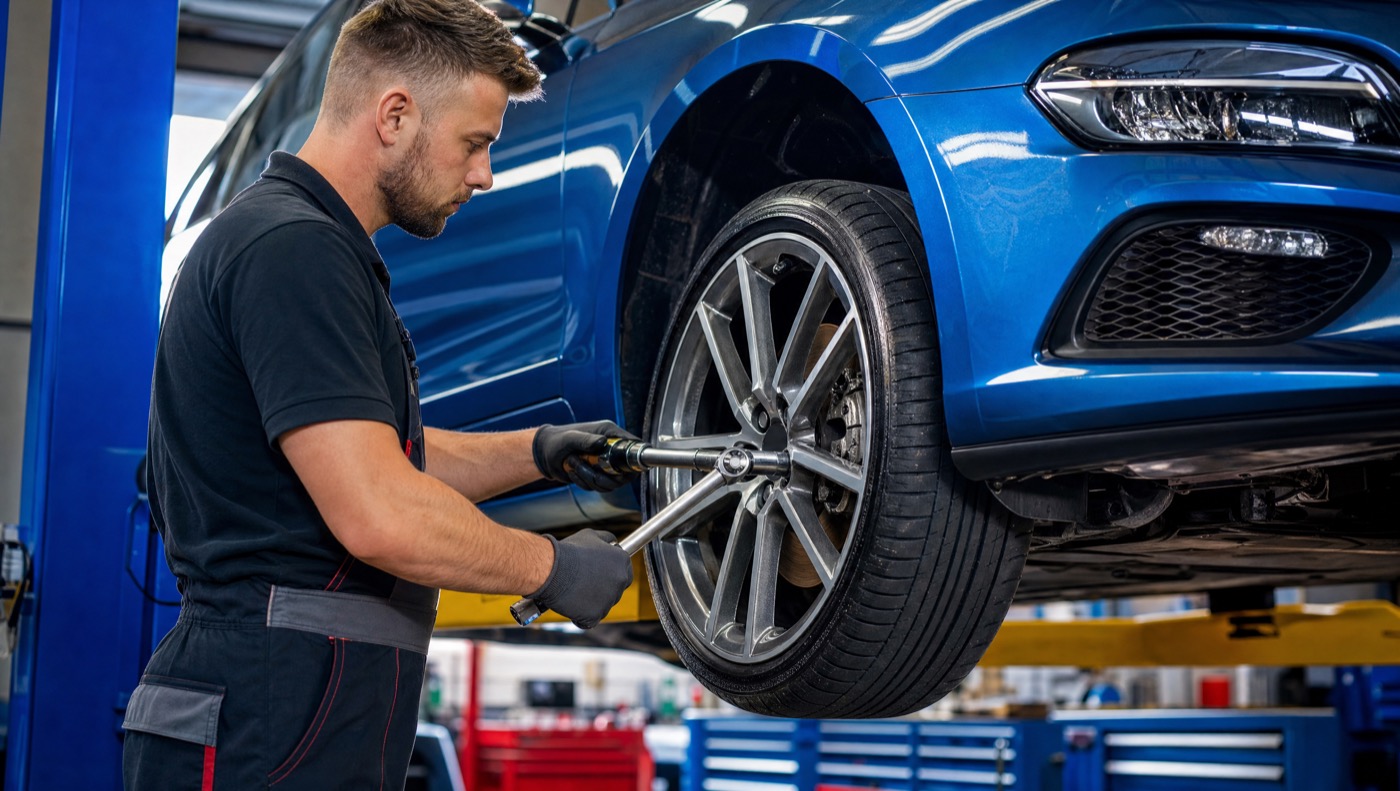
Haldex oil and filter, on quattro models that use it. It has its own schedule, around every 60,000 km, and it is the single most skipped item we see on an Audi. When the fluid degrades the clutch pack stops engaging cleanly, and the first symptom is a car that understeers out of a wet roundabout in a way it did not last year.
DSG or S tronic service, if the car has one. Fluid and filter at roughly 60,000 km on the wet-clutch units. Skip it and the shudder arrives before the warning light does. There is more detail on our transmission page.
Coolant condition and a pressure test. On the 2.0 TFSI family the water pump and thermostat housing are a known wear point, and the first sign is a coolant level that drops slowly with nothing visible on the driveway. We pressure test rather than top up and hope.
Carbon build-up on direct injection engines. Fuel never washes the back of the intake valves on these, so deposits accumulate. By 90,000 km many cars are showing it as a rough cold start or a small loss of response rather than a fault code. We look at the live data before recommending anything, because a walnut blast is real money and it should be justified by evidence, not by kilometres.
Suspension bushes and drop links. Not a scheduled item, but this is the interval where they start to talk. A knock over a speed hump on Hotham Parade is worth investigating before it turns into uneven tyre wear.
Diesel and S models change the answer again
If you drive a TDI, the service has a second half that petrol owners never think about. The diesel particulate filter relies on regeneration cycles that need sustained driving to complete. A TDI that only does short runs around the Lower North Shore accumulates soot faster than it can burn off, and the first symptom is usually not a warning light but an oil level that appears to be rising, because unburnt fuel is finding its way into the sump. We check filter load and oil dilution at every service on these cars and tell you which driving pattern fixes it before you spend money on parts.
S and RS models change the fluids, the brake wear curve and often the gearbox schedule. If you are booking one, tell us the exact model, because the parts ordered the day before are not the same.
Why the record matters as much as the work
Modern Audis keep their own service history internally, written against the VIN. That record is what a buyer’s inspector reads years later, and it does not always agree with a folder of invoices. We record digitally, itemise parts by number and fluids by specification, and stamp the book where there is still a book.
It is also what settles a warranty conversation before it becomes one. Under Australian Consumer Law a manufacturer cannot require you to service at their dealership to keep the factory warranty valid. What they can require is the manufacturer’s schedule, parts to specification, qualified work and documentation. That is exactly how we work, and every job carries our own 1 year / 10,000 km workshop guarantee on top.
Booking it
We are an independent European workshop in Artarmon, not a dealership, minutes from Chatswood, St Leonards and Crows Nest. Tell us the model, the year and the engine when you book, because a 2.0 TFSI and a 3.0 TDI are two different parts lists.
If you are not sure which interval your car is on, bring it in and we will read the service data rather than guess from the odometer. It takes minutes and it is the only honest way to answer the question. The full list of what we do is on the Sydney services page.
Common questions
Parts, fluids and why the approval matters
We fit genuine OEM parts by default and use oil that carries the manufacturer approval for your engine, not simply the right viscosity. Approvals govern additive chemistry, ash content and shear stability, which is what decides how long a particulate filter or a timing chain lasts.
Where a quality equivalent is a sensible option for a specific job, we say so and show you the difference rather than deciding for you.
Every part number and fluid specification goes on the invoice, which is what makes the service history defensible later.
Why we measure instead of estimating
Almost every recommendation we make comes with a number attached. Brake pad and disc thickness in millimetres against the manufacturer minimum, tyre tread by corner with the wear pattern noted, battery state of health, and coolant strength.
That matters because a pad at 5 mm and a pad at 3 mm both look fine through a wheel and mean completely different things for your next six months. With the number in front of you, you can decide whether to act now or at the next service instead of taking a verdict on trust.
It is also what lets us tell you honestly that something can wait. A workshop that never says that is not measuring.
Booking in Artarmon
The workshop is at 1/39 Hotham Parade, Artarmon NSW 2064, minutes from Chatswood, Lane Cove, St Leonards and Crows Nest. We are appointment only, which means the technician who starts your car finishes it rather than moving between six jobs.
Send us the rego and the odometer, or a photo of the service screen in the car, and we will tell you exactly what is due before you commit to anything. If the car is not drivable, call 1300 136 825 and we will work out the fastest option.
You see the quote before anything is touched, nothing happens without your approval, and every job is backed by a twelve month or 10,000 km guarantee.
Is the 90,000 km service always more expensive?
Usually, because it carries items that come due once rather than every time: haldex oil, gearbox fluid, plugs on some engines. You get the quote before anything is touched, itemised.
My Audi is on LongLife. Can I really stretch to 30,000 km?
On paper yes. On a car that does short trips in city traffic we recommend the fixed interval instead, because the oil is working far harder than the counter assumes.
Do you use genuine parts?
Genuine or OE, with the part numbers on the invoice, and fluids to the exact manufacturer approval. That is what keeps the factory warranty intact.
How long will the car be with you?
An oil service is usually a half day. A 90,000 km service with gearbox and haldex work is normally a full day, and we tell you before you leave the car, not after.